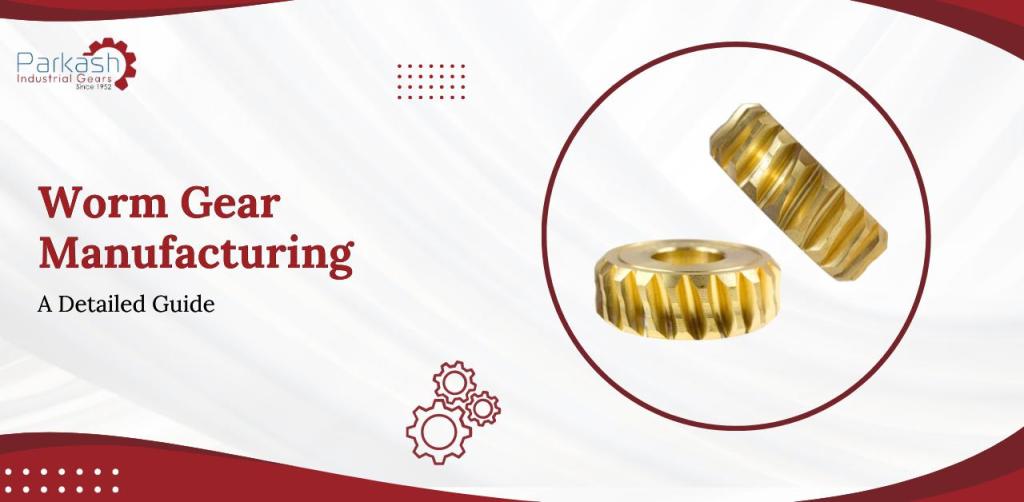
Introduction to Worm Gear Manufacturing
Worm gears are a critical component in many industrial applications due to their ability to provide high torque in a compact design. The manufacturing of worm gears involves precise engineering and specialized processes to ensure efficiency and longevity. This article provides an in-depth look at worm gear manufacturing, highlighting the key processes, materials used, and the advancements in the field.
What is a Worm Gear?
A worm gear system consists of two main parts: the worm (a screw-like component) and the worm wheel (a gear). This configuration allows for significant speed reduction and increased torque. Worm gears are commonly used in applications requiring high torque and smooth operation, such as in conveyors, elevators, and heavy machinery.
Key Steps in Worm Gear Manufacturing
1. Design and Material Selection
- Design: The design process involves determining the gear ratio, load capacity, and application requirements. Accurate design ensures optimal performance and longevity.
- Materials: Common materials include hardened steel for the worm and bronze or cast iron for the worm wheel. These materials provide the necessary strength and wear resistance.
2. Cutting and Machining
- Hobbing: Hobbing is the most common method used to cut worm gears. A hob, which is a specialized cutting tool, creates the gear teeth by progressively cutting into the gear blank.
- Precision Machining: High precision is required to ensure the correct tooth profile and spacing, which are crucial for efficient operation.
3. Heat Treatment
- Hardening: Heat treatment processes such as carburizing or induction hardening increase the durability of the gears. Proper heat treatment enhances wear resistance and extends the gear’s lifespan.
4. Grinding and Finishing
- Grinding: Grinding the gear teeth to a smooth finish reduces friction and noise during operation.
- Lapping: This finishing process further smooths the gear teeth surfaces, ensuring better meshing and efficiency.
5. Quality Control and Testing
- Inspection: Dimensional inspections and material tests are conducted to ensure the gears meet the required specifications.
- Functional Testing: Gears are tested under load conditions to verify their performance and reliability.
Advancements in Worm Gear Manufacturing
The worm gear manufacturers industry has seen several advancements aimed at improving efficiency and precision:
- CNC Machining: Computer Numerical Control (CNC) machining allows for the production of complex gear profiles with high precision and consistency.
- Additive Manufacturing: Also known as 3D printing, this technology is used for prototyping and producing customized worm gears, offering design flexibility and reduced lead times.
- Advanced Materials: The use of high-performance alloys and composites has improved the strength and durability of worm gears, making them suitable for more demanding applications.
Applications of Worm Gears
Worm gears are essential in various industries due to their unique properties:
- Automotive: Used in steering mechanisms and transmission systems for smooth and controlled movement.
- Industrial Machinery: Integral to conveyors, lifts, and heavy-duty machines requiring high torque.
- Robotics: Provide precise control and movement in robotic arms and automated systems.
- Aerospace: Utilized in control systems and landing gear mechanisms for reliable operation under extreme conditions.
Conclusion
Worm gear manufacturing is a precise and complex process that plays a crucial role in producing high-performance components for numerous industries. As a leading gears manufacturers in India, Parkash Industrial Gears excels in delivering top-quality worm gears that meet stringent demands. With ongoing advancements in technology and materials, the future of worm gear manufacturing promises enhanced efficiency, durability, and customization. Parkash Industrial Gears continues to innovate and meet the growing needs of modern engineering applications.
 Best Spur Gears Manufacturer in India